
Program is subject to change without notice.
Pre-Forum Seminar – THIS SESSION IS SOLD OUT! | |
08:30 – 16:00 |  Procurement Contracting Essentials: From Formation to Risk Management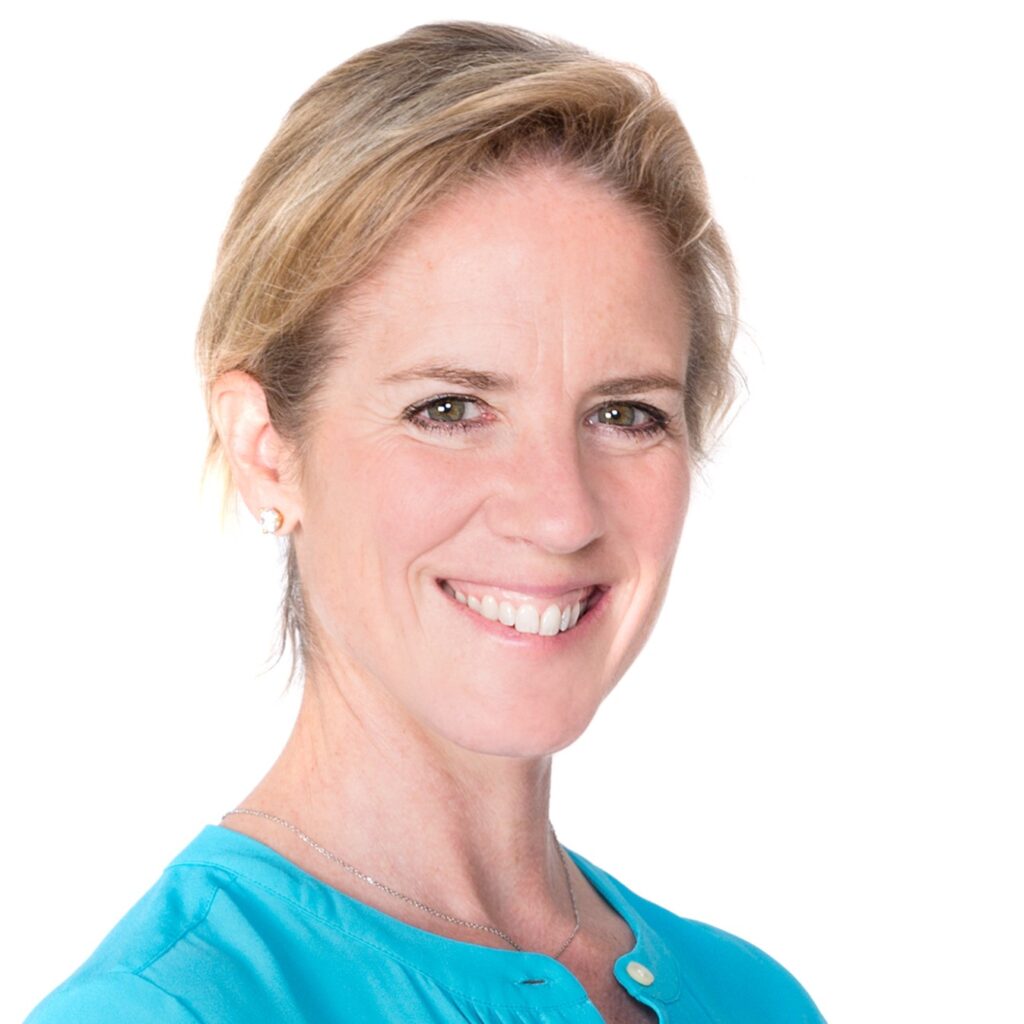 Lise Patry, Partner– LXM LAW Procurement professionals regularly finalize contracts that create binding legal obligations and long-term operational risk—often without the benefit of formal legal training. This one-day workshop provides a practical, plain-language overview of procurement contracting fundamentals, with a focus on how contracts are formed, structured, amended, and typically managed in a public sector context. Participants will gain a working understanding of the legal principles that underpin procurement contracts, including what is required for a procurement contract to be legally binding, how procurement documents interact with final agreements, and common pitfalls that arise in day-to-day procurement activities. The workshop will examine the typical structure of a procurement contract and key contract provisions—such as indemnities, insurance, limitation of liability, intellectual property ownership —so participants can better understand their purpose and risk implications. Through real world examples and interactive discussion, the session will emphasize how procurement contracts function as risk-allocation and governance tools. This workshop is designed for procurement professionals who want to strengthen their contract literacy, improve risk awareness, and feel more confident navigating procurement contracts throughout the procurement lifecycle. Learning Outcomes: By the end of this workshop, participants will be able to:
Sponsored by:  |
12:30 – 13:00 | Networking Lunch |
15:00 – 18:00 | CPPC Forum Registration Desk Opens |
Day 1 – CPPC Forum | |
08:00 – 17:00 | Registration Desk Hours |
08:00 – 08:30 | Continental Breakfast Sponsored by:  |
08:30 – 09:00 | Welcome Remarks & Opening Ceremony with special guest: 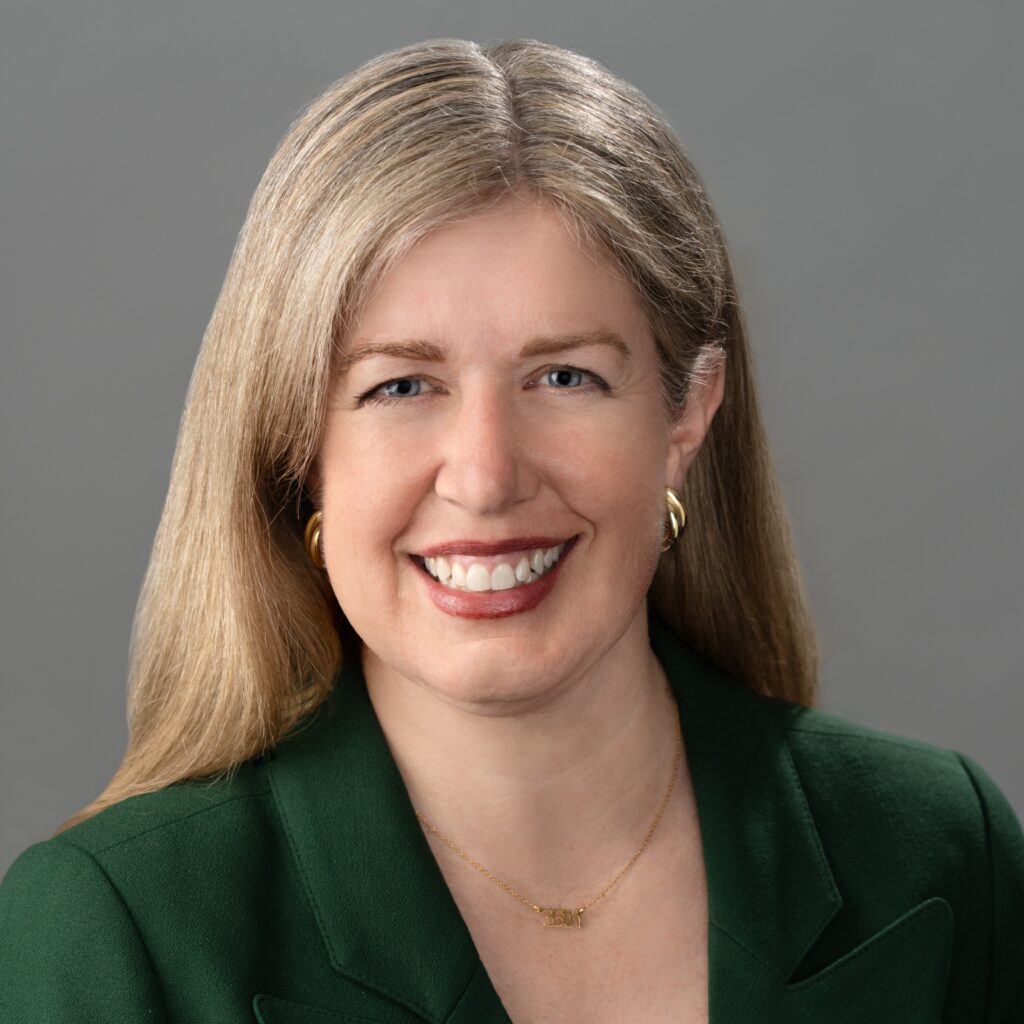 Hon. Susan Holt |
09:05 – 09:45 | Learning Groups |
09:45 – 10:45 | PLENARY Designing Procurement for Complexity: Lessons from Agile IT Procurement Models Lise Patry, Partner – LXM LAW As public-sector organizations replace aging IT infrastructure, procurement professionals are increasingly tasked with designing procurements for complex IT and digital solutions. In these procurements, traditional single-stage RFPs are often ill-suited to address evolving requirements and fragmented vendor markets, which may require multiple contractual arrangements. This plenary examines how some procurement authorities have adapted their approaches through agile procurement models such as competitive dialogue, multi-phased RFx processes, vendor pre-engagement, and iterative bid refinement. Drawing on examples from Ontario, the federal government, and the MASH sector, the session explores how these approaches can be used to better align procurement outcomes, risk allocation, and governance in high-stakes IT procurements. |
10:45 – 11:00 | Refreshment Break |
11:05 – 12:05 | Concurrent Sessions |
Session 1 | When it comes to bid-rigging, better safe than sorry: learn how to protect the integrity of your procurement processes  Majid Charania, Director of Compliance and Outreach – Competition Bureau Public procurement can be at risk for bid-rigging, especially in a rapidly changing economic and policy environment. Market pressures can push suppliers to engage in risky behaviour to try to make an extra buck. In light of the federal government’s push to deploy taxpayer funds rapidly in areas such as housing and defence, there has never been a better time to learn how to prevent, detect and report bid rigging in your procurement processes. In addition to learning valuable content, participants will engage in an interactive demonstration of the Competition Bureau’s web-based Collusion Risk Assessment Tool that can help minimize the risk of bid-rigging. |
Session 2 | Agile Procurement in a Time of Rapid Change: Playbooks That Survive Audit 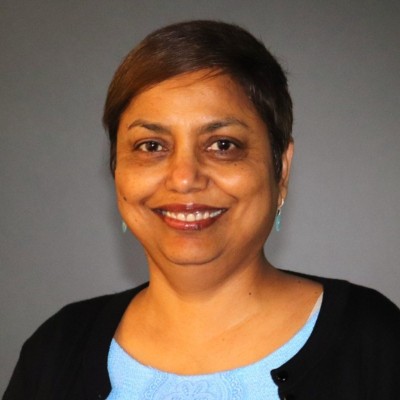 Anjana Raman, Director, Program Management – Infosys Public Services  Brent McGraw – Business Development Manager – Infosys Public Services Public procurement is under pressure to deliver faster, smarter, and more resilient outcomes—without compromising compliance. This session explores how agile procurement methods can accelerate IT and digital projects while meeting trade agreement and audit requirements. Through real-world examples and interactive exercises, participants will learn how to design multi-stage RFPs, modular contracts, and collaborative vendor engagement strategies that balance speed with transparency and fairness. |
12:05 – 13:05 | Lunch Sponsored by:  |
13:10 – 14:10 | PLENARY Winning the Next Generation: Leading Through the Silver Tsunami  Jeannette Bruno, Deputy Chief of Staff – SOVRA Retirements, vacancies, and skills gaps are the #1 constraint across Canadian procurement. This session will discuss stabilizing service levels today while building a workforce for tomorrow. Learn how to attract and retain the next generation, especially Gen Z, by blending purpose, flexibility, and technology. We’ll explore techniques, technology, and coaching that make procurement roles faster to learn, easier to love, and harder to leave. |
14:15 – 15:15 | Concurrent Sessions |
Session 3 | Supplier Engagement in Action: Building Resilient, Sustainable Supply Chains  Tim Reeve, Sustainable Procurement Advisor – Reeve Consulting 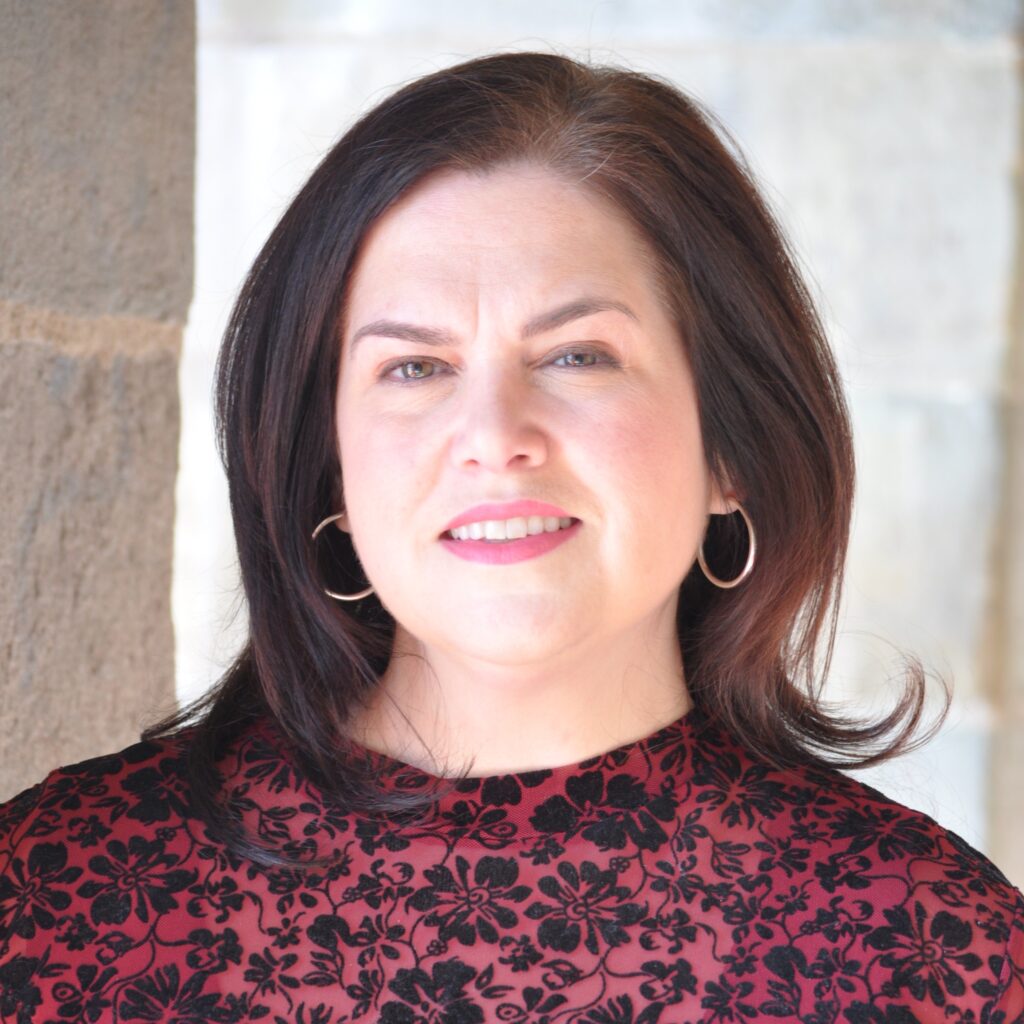 Anick Cormier, Director of Procurement Policy and Outreach – Service New Brunswick Collaborating with suppliers is critical to building resilient supply chains that deliver measurable impact. Hear from Anick Cormier, Director of Procurement Policy and Outreach (Service New Brunswick), and Tim Reeve, Sustainable Procurement Advisor (Reeve Consulting), on how strategic engagement strengthens sustainability and inclusion while reducing compliance risk and driving innovation. Gain insights into readiness tools, structured storytelling frameworks, and prioritization strategies for supplier engagement that support the four pillars of sustainability—Environmental, Social, Indigenous, and Ethical. |
Session 4 | De l’innovation à l’action : l’IA comme levier de performance en approvisionnement 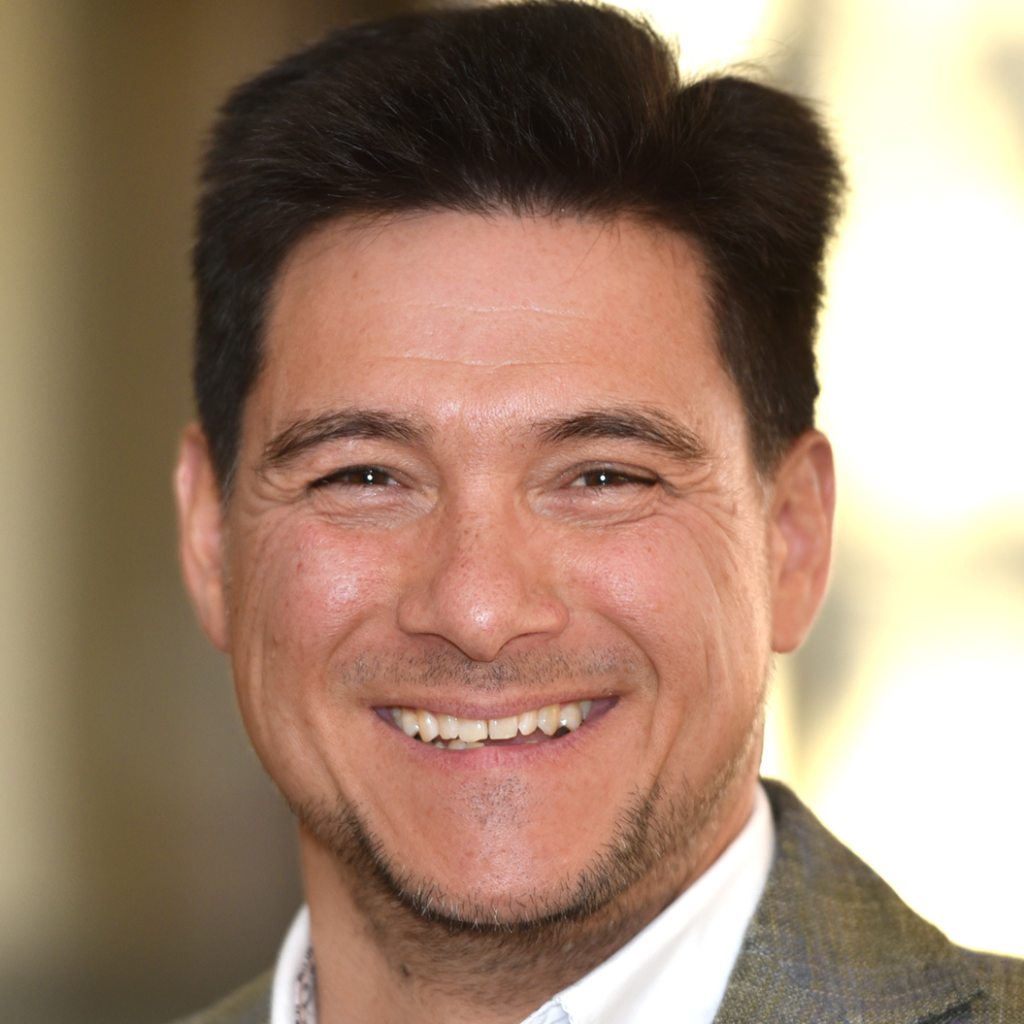 Vincent Vu, Directeur, Direction de l’approvisionnement et de la gestion immobilière – Ville de Lévis Cette séance mettra en lumière l’approche innovante adoptée par la Direction de l’approvisionnement de la Ville de Lévis pour concevoir et déployer un agent d’intelligence artificielle au service de sa fonction approvisionnement. À partir d’un cas réel, les participants découvriront comment l’IA peut devenir un véritable levier d’aide à la décision, améliorer l’efficience administrative et optimiser l’utilisation des ressources dans un contexte organisationnel exigeant. La présentation abordera également les enjeux clés de gouvernance, d’éthique, ainsi que la conformité au cadre légal et aux politiques en vigueur. Les participants repartiront avec un exemple concret d’application de l’IA, ainsi que des leçons apprises et des facteurs clés de succès favorisant une intégration responsable, efficace et durable. (This session will be in French.) |
15:15 – 15:30 | Refreshment Break |
15:35 – 16:35 | Concurrent Sessions |
Session 5 | How to Negotiate with Mega Vendors 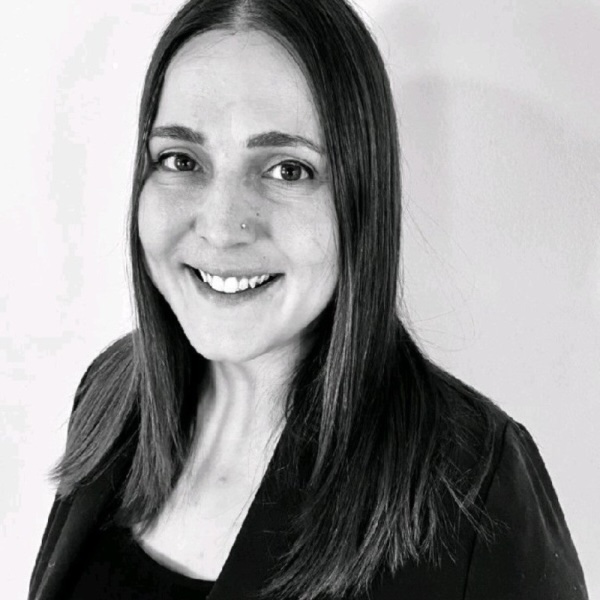 Jess Aggio, Senior Principal Analyst, Sourcing, Procurement and Vendor Management –Gartner Negotiating with IT mega-vendors can seem like a daunting task. This negotiation clinic will help provide attendees with insight into how to gain leverage and bargaining power through tactics, templates, Ts and Cs and timing. Vendors covered will be consulting mega vendors (the big 5 and more), IT services (MSP) and software vendors (ServiceNow, SAP etc.) |
Session 6 | Buy Canadian: Public Services and Procurement Canada (PSPC) 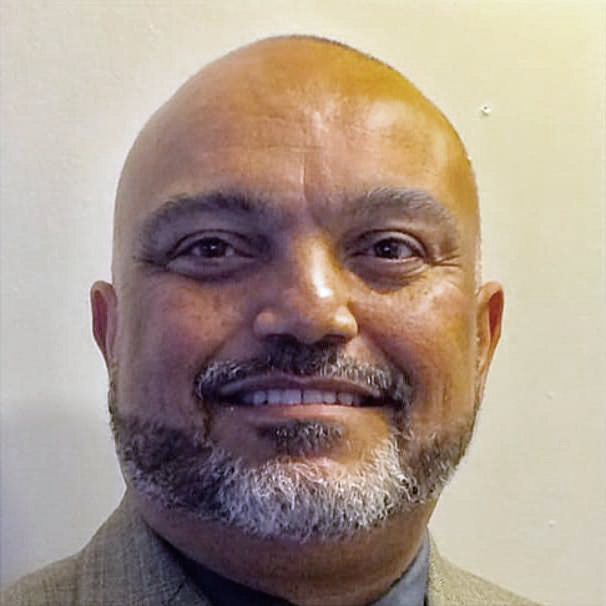 Paul Gérin, Procurement Specialist –Public Services and Procurement Canada (PSPC) This session provides an overview of the Government of Canada’s new Buy Canadian Policy. Participants will gain insight into the policy’s key features, including strengthened Canadian content requirements and the increased prioritization of Canadian suppliers, as well as considerations for aligning procurement practices with these requirements. The presentation will also highlight the role of Procurement Assistance Canada (PAC) and how they help suppliers navigate the federal procurement process. |
16:35 – 17:15 | Learning Groups |
Day 2 – CPPC Forum | |
08:00 – 17:00 | Registration Desk Hours |
08:00 – 08:30 | Continental Breakfast Sponsored by:  |
08:35 – 09:45 | KEYNOTE SPEAKER Anything Is Possible – Embrace Where You Live  James Mullinger Keynote Speaker, Author, Comedian A hugely inspiring, uplifting and hilarious motivational keynote speech from the award-winning British writer, speaker, comedian about celebrating where you live and how adjusting your perceptions will drastically improve the way we all live, work and play. James’ hilarious and profound insights into dealing with people and how you view the world will improve your life professionally as well as personally. James will teach your delegates how to apply his unique outlook to increase productivity, bring about balance, improve self-care and, above all, provide powerful resilience in the workplace, the home and in the world at large. Sponsored by:  |
09:45 – 10:00 | Refreshment Break Sponsored by:  |
10:05 – 11:05 | Concurrent Sessions |
Session 7 | Collaborative Procurement Models for Large, Complex Projects  Mélanie Pouliot Themes: better outcomes through risk-sharing and collaboration. Explore alternative procurement strategies (e.g., early contractor involvement, qualification-based selection, progressive design-build). |
Session 8 | En matière de truquage des offres, mieux vaut prévenir que guérir : apprenez à protéger l’intégrité de vos processus d’approvisionnement (This session will be in French) Majid Charania, Director of Compliance and Outreach – Competition Bureau Les marchés publics peuvent être exposés au risque de truquage des offres, en particulier dans un contexte économique et politique en constante évolution. Les pressions du marché peuvent inciter des fournisseurs à adopter des comportements risqués afin d’augmenter leurs profits. À la lumière de la volonté du gouvernement fédéral de déployer rapidement les fonds des contribuables dans des secteurs tels que le logement et la défense, le moment n’a jamais été aussi propice pour apprendre à prévenir, détecter et signaler le truquage des offres dans vos processus d’approvisionnement. En plus d’acquérir des connaissances précieuses, les participants prendront part à une démonstration interactive de l’outil en ligne d’évaluation des risques de collusion du Bureau de la concurrence, qui peut contribuer à réduire le risque de truquage des offres. |
11:10 – 12:10 | PLENARY Summary of Recent Developments in Domestic Procurement Policies: Navigating the New Era of Economic Sovereignty  Rosselyn Young, Lawyer – Edilex
|
12:10 – 13:25 | Buffet Lunch & AEP Award Sponsored by:  |
13:30 – 14:30 | Concurrent Sessions |
Session 9 | Unlocking Procurement Excellence: The Road to the AEP Award Starts Here!  Francois Emond, Executive Director – CPPC and member of the AEP Award Evaluation Team  Kimberley Murphy, Manager of Procurement Engagement, Nova Scotia Procurement Services & President of CPPC BOD Are you ready to elevate your public procurement function and gain recognition for excellence? This session introduces the fundamentals of the Achievement of Excellence in Procurement (AEP) Award and explores how organizations across Canada can leverage the program to strengthen performance, accountability, and impact. Participants will gain a clear understanding of the AEP framework, including eligibility requirements, evaluation criteria, and the application process. The session will also highlight the program’s availability and relevance within the Canadian public sector context. Through a guided self-assessment exercise, attendees will have the opportunity to evaluate their organization’s current practices against AEP standards and identify key areas for improvement. Whether you are beginning your journey or looking to advance to the next level, this session will provide practical insights and actionable steps to help you position your organization for AEP Award success. |
Session 10 | Indigenous Procurement  Heather Bartlett, Manager – Office of the Procurement Ombud (OPO) Indigenous businesses have long faced systemic barriers limiting their participation in federal procurement and overall economic growth. As one means of addressing this inequity, the federal government introduced the Procurement Strategy for Aboriginal Business (PSAB) in 1996, now known as the Procurement Strategy for Indigenous Business (PSIB). Since 2022, federal departments must ensure that at least 5% of the total value of their contracts are awarded to Indigenous-owned businesses, and that at least 33% of the work performed under these contracts is carried out by Indigenous businesses. However, recent audits and reviews have raised serious concerns about the overall integrity and effectiveness of these efforts. The Office of the Procurement Ombud (OPO) completed a Procurement Practice Review into Indigenous Procurement, focusing on contracts awarded under the PSIB strategy. In this session, you will learn about the findings of this report, where a sampling of 30 PSIB contract files were selected to evaluate whether the procurements were consistent with legislation, regulations, policies, procedures and guidance. Attendees will also learn about the recommendations the Ombud made in relation to Indigenous contracting for the federal government. |
14:30 – 14:45 | Refreshment Break Sponsored by:  |
14:50 – 15:50 | Concurrent Sessions |
Session 11 | Building a Cohesive Team  Travis Janzen, Manager, Procurement Services – WSIB  Nadine Maxwell, Category Specialist – WSIB This session will be interactive and highlight the importance of communication, building tighter bonds, and having fun with your teams. We will discuss and show how to build a highly motivated, well-connected teams through a variety of strategies. We will dive into some of the psychology and statistics surrounding team building. All of this to be linked back to how this has affected how we work together at WSIB and how some of our successes are easy to replicate at other organizations and can help build a well-connected team, improve staff morale, and improve the quality of work. |
Session 12 | CPPO/CPPB Certification Trivia Showdown: Are You Exam‑Ready?  Trish Rafuse, CPPO, CPPB, Co-Chair of Board of Examiners – UPPCC Considering CPPO or CPPB certification? Feeling ready to test—or just curious about the questions you’ll face? Join us for an overview of the Certified Public Procurement Officer (CPPO) and Certified Professional Public Buyer (CPPB) certifications from the UPPCC, including eligibility, exam format, and what to expect on exam day. Then put your knowledge to the test with a live, trivia‑style quiz featuring sample questions across key procurement domains and competencies. |
15:55 – 16:45 | Sectorial Open Discussions – Procurement Professionals Only An interactive session where participants connect and share common challenges within their sectors, municipal, provincial, federal, health, education, and crown corporations. |
18:30 – 21:30 | Social Event (included in registration) Farmers Market Maritime Experience Dinner and local entertainment at Fredericton Boyce Farmers Market. Sponsored by:  |
Day 3 – CPPC Forum | |
08:00 – 12:00 | Registration Desk Hours |
08:00 – 08:30 | Breakfast Sponsored by:  |
08:30 – 08:40 | Welcome Remarks with special guest:  Hon. Aaron Kennedy |
08:35 – 09:35 | PLENARY Collaborating Sector – Being a Collective Force for Good  Nicole Fowler, Director, Strategic Procurement Services – Queen’s University  Sandra Nelson, Executive Director, University Procurement – University of Toronto With our ever-changing landscape in public procurement, there is comfort in knowing you have peers to help you ‘weather the storm’. In Ontario, the university sector is a strong collaborative procurement group who have been diligent in working together to ensure our institutions are well positioned to handle changes and challenges in public procurement. This collaborative approach ensures our procurement resources are used as a collective force for good. |
9:35 – 09:50 | Refreshment Break |
9:50 – 10:55 | PLENARY From Compliance to Leadership: Advancing Public Procurement in Light of the Gallant Commission Francois Emond, Executive Director – CPPC Kimberley Murphy, Manager of Procurement Engagement, Nova Scotia Procurement Services & President of CPPC BOD This session will highlight the key elements presented by CPPC in its brief to the Gallant Commission, the 2025 inquiry into the governance failures and cost overruns surrounding the SAAQ’s major digital transformation initiative. The discussion will draw on publicly released findings that directly relate to the procurement and contract management cycle, illustrating the critical need to elevate the procurement function to a strategic role within public organizations. The session will also showcase the initiatives CPPC is leading to promote a structured, professionalized approach to developing procurement practitioners, ensuring they possess the competencies required to support this evolving mandate. |
11:00 – 12:00 | CLOSING SESSION & PASSION FOR PROCUREMENT AWARD The Future Starts Here: The Passion for Procurement Award, Partnerships, and CPPC’s Next Chapter Éric Blanchette-Ouellet, Learning and Membership Experience Manager – CPPC Details to come |
12:05 – 12:15 | Closing Remarks |